Live In-Race Updates
Prices shift after every lap, sector split, pit stop, and safety car deployment.




 Interac
 Visa
Visa Mastercard
 iDebit
 Instadebit
 ecoPayz
Wagering on Grand Prix weekends involves multiple structured markets extending far beyond predicting the podium winner. Formula 1 books release pricing across practice sessions, three-stage qualifying knockouts (Q1, Q2, and Q3), sprint races, and Sunday main events. Standard race outrights function similarly to straight moneyline selections, where odds reflect race-trim reliability, aerodynamic downforce setups, and strategic pit windows across varying circuit profiles from Monaco to Silverstone.
Beyond outright race winner boards, head-to-head driver matchups isolate performance between teammates running identical machinery or direct midfield rivals. Proposition selections include fastest lap bonuses, safety car deployment occurrences, and classified finisher totals. Bettors constructing multi-leg tickets can integrate these event-specific markets alongside broader parlay wagers to target correlated weekend outcomes based on long-run tyre degradation data and track temperature forecasts.
A podium finish market requires a selected driver to cross the finish line in first, second, or third place at the official conclusion of the Grand Prix. This selection serves as a practical hedge against dominant single-driver favorites, allowing bettors to capture pricing value on upper-tier machinery without needing to predict an outright race victory. Drivers piloting cars with verified aerodynamic stability and low tire degradation over long race stints frequently offer stable probabilities for top-three placement, even when starting from second or third row grid slots.
Because grid penalties and first-lap incidents can disrupt straightforward qualifying order, evaluating historical attrition rates and safety car deployment frequencies on circuits like Baku or Monaco is essential before placing podium selections. Incorporating structured sports betting systems helps isolate whether the payout ratio compensates for the inherent operational risks of late-race pit execution and strategic tire offset blunders.
A top-10 points finish market expands the qualifying criteria to any driver finishing within positions 1 through 10, aligning precisely with the official FIA championship scoring threshold. This market represents the core analytical battleground for midfield constructors such as Alpine, Williams, Aston Martin, and Haas. Pricing here reflects car upgrade packages tailored to specific circuit layouts, straight-line top speeds, and straight-line efficiency rather than raw single-lap qualifying pace.
Assessing driver performance during high-fuel race simulations in Friday free practice sessions provides strong indicators for points contention. In mixed-weather conditions or on abrasive surfaces where tire preservation becomes decisive, capable midfield veterans routinely outperform faster machinery. Evaluating probability variations through calculated expected value calculations allows bettors to spot inefficiencies in midfield points lines ahead of Sunday race starts.
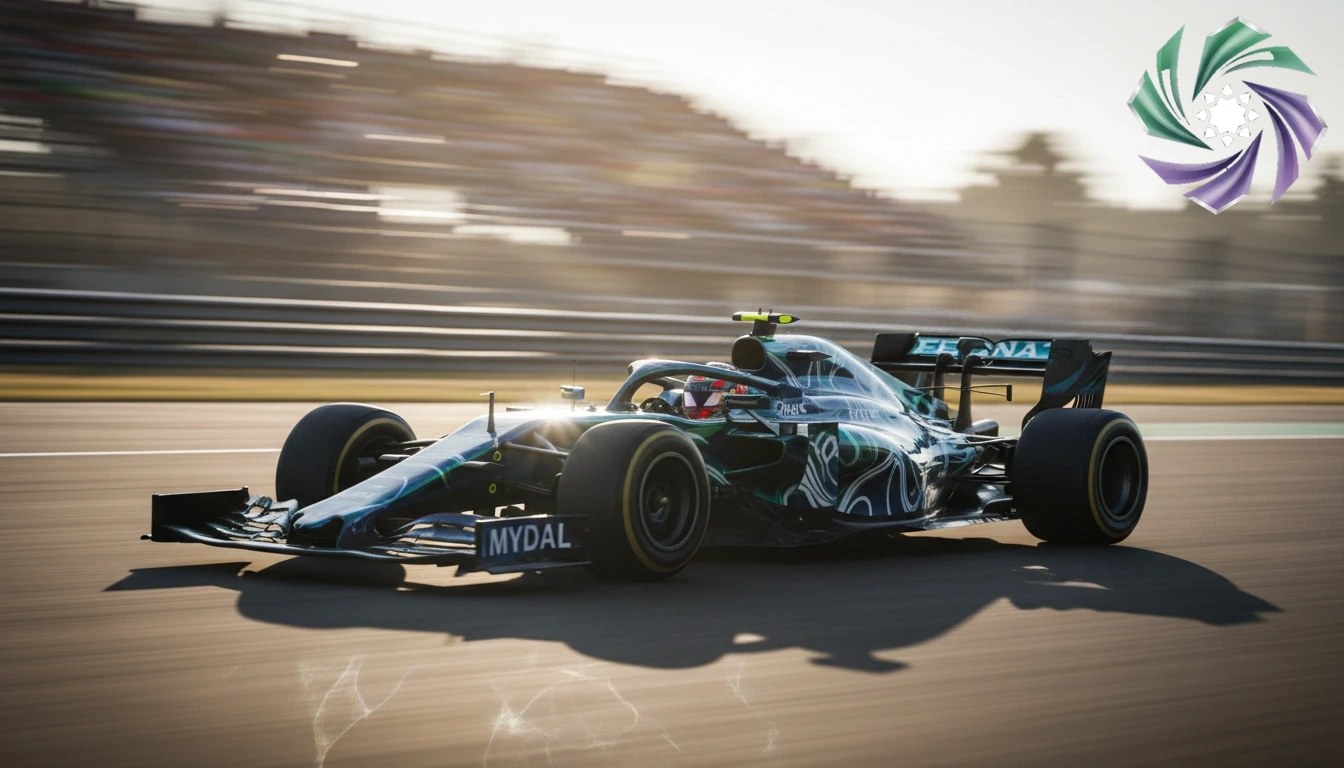
In-play F1 wagering moves in direct response to telemetry data, sector pace deltas, and strategic decisions executed on the pit wall. As soon as the five red lights extinguish, outright winner prices recalculate on every sector split. Tactical race events produce rapid adjustments in the lines: a Virtual Safety Car (VSC) or full Safety Car deployment drastically reduces the time penalty of a pit stop—often cutting the pit loss from roughly 20–24 seconds down to 11–14 seconds depending on circuit configuration. Bettors tracking live timing feeds can identify undercut attempts before tire crossover points register on the main broadcast, creating opportunities to back drivers before sportsbooks shorten their podium prices. Similar to balancing selections in over-under wagering markets, tracking compound degradation determines whether a multi-stop strategy will catch late-race leaders.
Weather variability and mechanical attrition add further dimensions to in-race markets like driver matchups, points finishes, and fastest lap bonuses. When track temperatures drop or radar sweeps confirm precipitation within ten minutes, intermediate and wet compound viability drastically shifts vehicle performance hierarchies. Drivers renowned for wet-weather car control frequently overcome machinery deficits, offering value adjustments against standard qualifying pace metrics. To capitalize on live pricing at Sororite, monitoring team radio transmissions regarding brake wear, battery energy deployment clipping, and aerodynamic damage allows you to anticipate retirements or sudden pace drop-offs ahead of official timing corrections, applying principles similar to calculating expected value across sports wagers.
Evaluating Grand Prix markets requires examining circuit setups and technical updates before cars hit the tarmac. Fast layouts with extended straights like Monza or Spa reward low-drag aerodynamic configurations and raw engine horsepower, while technical street circuits such as Monaco or Singapore place heavy premiums on mechanical grip and qualifying track position. Reviewing telemetry across Free Practice sessions (FP1 through FP3) offers clear indicators of high-fuel race pace versus single-lap speed, which directly impacts outright winner, podium, and head-to-head driver match-ups.
Furthermore, constructor upgrade cycles often shift the competitive hierarchy mid-season. When teams introduce revised floor designs or front wings, early Friday data reveals whether new parts perform as wind tunnel simulations suggested. Factoring in driver track records, tire degradation rates across long simulation runs, and grid penalties caused by power unit changes gives bettors a concrete edge over basic public consensus lines.
In-play wagering introduces dynamic opportunities as race strategies unfold in real time over 50 to 70 laps. Weather transitions and Virtual Safety Car periods dramatically alter pit stop windows, reducing the time lost in the pit lane by roughly ten to twelve seconds compared to green-flag stops. Drivers timing their tire changes during caution periods gain massive track position advantages, creating short-lived value on updated podium spots or over/under totals on classified finishers before pricing algorithms adjust.
Monitoring live team radio feeds and sector timing splits also reveals crucial performance shifts, such as tire blistering or brake temperature warnings, well before overtakes occur on track. Placing strategic live wagers during early pit phases or managing overall exposure across complementary positions allows bettors to capitalize on tactical mistakes made on the pit wall, treating each Grand Prix as an evolving strategic contest rather than a static pre-event result.
Season outrights provide wagering opportunities extending across the full 24-race calendar. The World Drivers’ Championship (WDC) and World Constructors’ Championship (WCC) lines fluctuate continuously based on team development cycles, aerodynamic upgrades, and engine reliability penalties. Backing a constructor early in the championship requires evaluating wind-tunnel testing allocations and high-speed efficiency rather than single-circuit form. Examining baseline pre-season testing metrics alongside historical upgrade success helps identify which constructors can sustain developmental pace across the full campaign.
Season-long driver head-to-head markets offer another tactical option by pairing teammates in identical machinery over the course of the schedule. These match-ups remove car performance discrepancies, isolating driver consistency, qualifying head-to-head records, and tire management under race trim. Applying structured concepts from sports betting moneyline analysis helps bettors balance long-term futures exposures when grid penalties or unexpected technical directives shift championship momentum.
The Canadian Grand Prix in Montreal occupies a distinct position on the championship calendar, transitioning teams from high-downforce European street tracks to a low-downforce, high-speed hybrid layout. Circuit Gilles Villeneuve features long straights punctuated by heavy braking zones and chicanes, placing immense thermal stress on brake assemblies and rear traction. The narrow runoff areas and the infamous Wall of Champions at turn 14 routinely generate safety car interruptions, making historical reliability and driver precision decisive metrics before setting race-winner projections.
Understanding these calendar-specific shifts helps evaluate technical upgrades brought by constructors each June. Teams that optimize straight-line speed without compromising mechanical grip through slow hairpins consistently outperform baseline expectations in Montreal. In-race tracking of tire degradation on green asphalt provides valuable cues for tactical sports betting strategies and fastest-lap contingencies, especially when sudden summer downpours alter qualifying run plans.
Advantages
Limitations
In-play pricing on race weekends reacts promptly when track conditions shift or safety cars are deployed. I followed the qualifying session in Montreal and locked in a midfield points-finish wager with accurate live splits before the grid finalized.
Constructors and Drivers Championship futures were posted well ahead of pre-season testing. Depositing through Interac was straightforward, and the bet slip clearly broke down each-way terms for outright race winner selections.
The depth in driver head-to-head matchups sets this board apart during Grand Prix weekends. Finding competitive pricing on qualifying margins and constructor points totals adds strategic variety beyond simple podium picks.
Settlements on fastest lap and classification props are processed promptly once the official FIA race classification is confirmed. The transparent house rules regarding grid penalties make race-day grading completely clear.